

No cada ubicación de entrega tiene un muelle de carga o montacargas. Las direcciones residenciales, los comercios minoristas y muchas pequeñas ubicaciones de negocios requieren servicio de ascensor para transferir de forma segura el flete de la cama de camión a nivel de tierra. Comprender los tres tipos principales del elevador—y cuándo utilizar cada—asegura una entrega exitosa y evita retrasos costosos o daños.
¿Qué es el servicio de Liftgate?
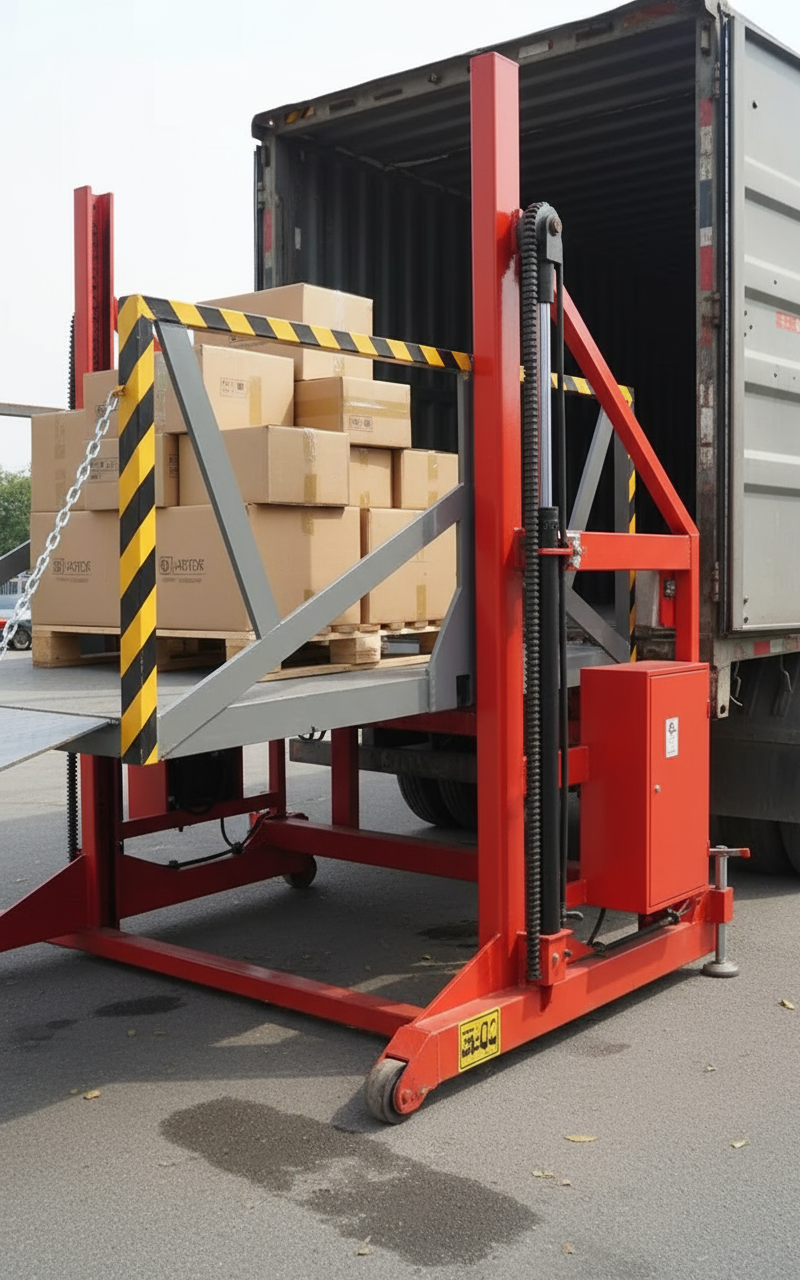
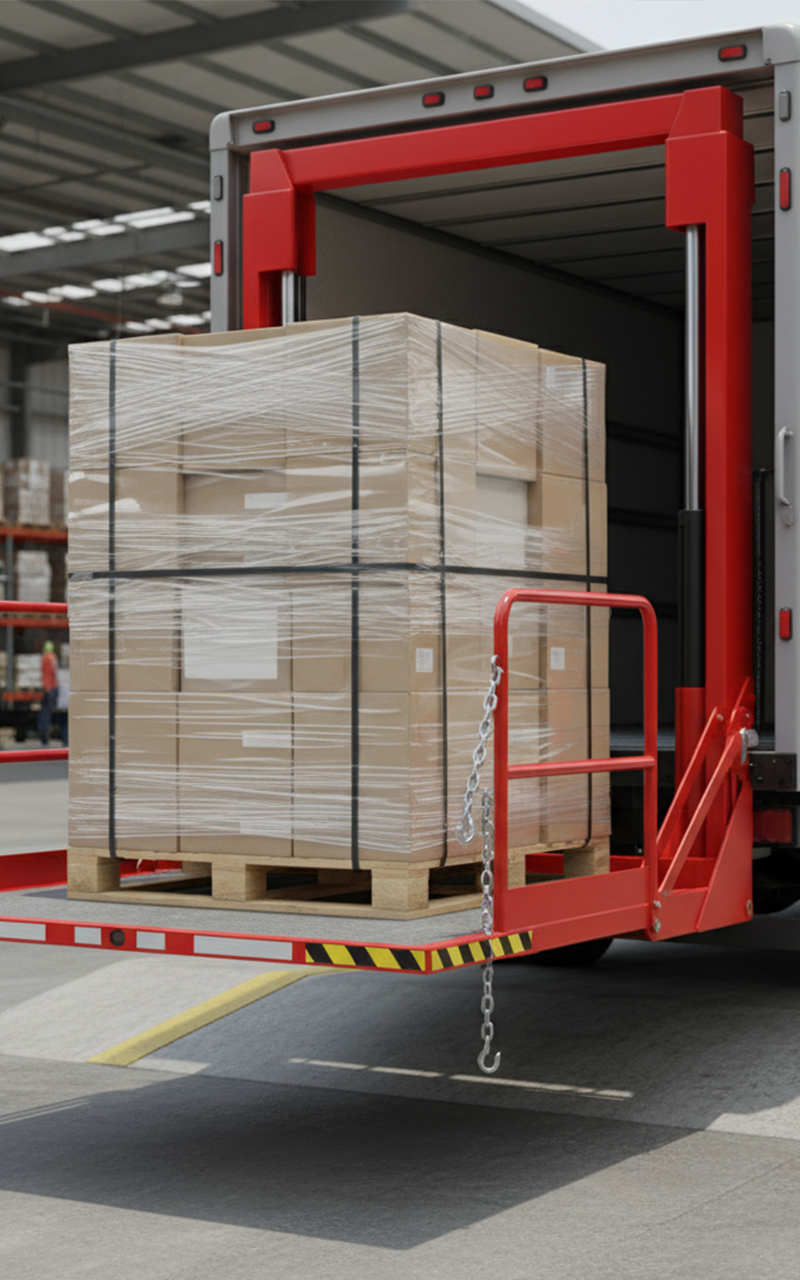
Un elevador (también llamado cargador de puerta trasera o tuckunder) es una plataforma hidráulica o eléctrica montada en la parte trasera de un camión que eleva y baja el flete entre nivel de tierra y altura de cama de camión. Liftgates eliminan la necesidad de montacargas o muelles de carga, haciendo que las entregas sean posibles en cualquier lugar que un camión pueda aparcar.
Los transportistas cobran tarifas de ascensor ($75-150 por camioneta o entrega) porque los camiones equipados con ascensores cuestan más para operar y limitar la capacidad de carga útil en 500-800 libras en comparación con los camiones estándar. La tarifa cubre el desgaste del equipo, el tiempo de manejo más lento y el entrenamiento especializado del conductor.
Tres tipos de sistemas de elevación
1. Standard Swing-Gate (Column Lift)
Descripción: Las columnas verticales en cada lado de la puerta levantan una plataforma que oscila desde debajo del camión, luego baja a nivel de tierra.
Capacidad: 1.500-2.500 libras típicas; 3.000 libras máximo en unidades reforzadas
Tamaño de la plataforma: 60′′ ancho × 30′ profundo (estándar); algunos alcanzan 72′′ × 36′′
Camión de cama Altura: 48-54′′ (más camiones de caja y chasis de servicio medio)
Mejor:
- Palets individuales o múltiples cajas más pequeñas por debajo de 2.500 libras
- Entregas residenciales con flete estándar
- Entregas comerciales ligeras (provisiones de oficina, artículos al por menor)
- Lugares con pavimento de nivel o grados leves
Limitaciones:
- No se puede manejar carga excesiva más ancho que 60′′
- Límites largos de profundidad de la plataforma (lumber, pipe, machinery)
- Distribución del peso crítica—plataforma de punta de carga fuera del centro
- Luchas en empujes empinados o suelo blando (dirt, grava)
Notas de funcionamiento: El conductor debe colocar el flete centrado en la plataforma antes de bajar. El diseño Swing-out requiere 4-5 pies de limpieza detrás del camión. Mantones de paleta o camiones de mano necesarios para mover el flete de la plataforma a destino final.
2. Rail-Lift (Tuckunder Slider)
Descripción: Plataforma se desliza desde debajo del camión en los carriles, luego los cilindros hidráulicos lo bajan a nivel de tierra. Más compacto que las palancas.
Capacidad: 2.000-3.500 libras típicas; 4.000 libras en unidades de grado comercial
Tamaño de la plataforma: 60′′ ancho × 48′′ profundo (commodates standard 48′′ × 40′ pallets completamente)
Camión de cama Altura: 48-58′′ (camas de caja, camiones rectos, algunos tractores)
Mejor:
- Palets de tamaño completo (48′ × 40′′ estándar GMA)
- Envíos de piezas múltiples que requieren reducción en etapas
- Zonas de carga cortas con desminado trasero limitado
- Camas de camiones superiores donde las puertas oscilan se vuelven inestables
Limitaciones:
- Más mecánicamente complejo; propenso a la desalineación ferroviaria si se abusa
- Cilindros hidráulicos vulnerables a cargas y impactos laterales
- Requiere superficie de nivel para una operación segura
- Tiempo de ciclo ligeramente más lento que las puertas oscilantes
Notas de funcionamiento: Los elevadores de ferrocarril manejan cargas más pesadas más seguras que las puertas columpios porque la plataforma más grande distribuye el peso mejor. El conductor puede cargar varias cajas, bajar juntas, luego descargar con el gato de paleta. Preferido para paradas comerciales con personal de recepción profesional.
3. Heavy-Duty (Cantilever o Retractable)
Descripción: Puertas elevadoras de grado industrial con plataformas masivas, hidráulicas reforzadas, y a menudo extensiones plegables para flete extra-largo.
Capacidad: 4.000 a 6.000 libras; algunas unidades especializadas alcanzan 8.000 libras
Tamaño de la plataforma: 72′′ ancho × 48′ profundo; algunos se extienden a 96′′ × 60′′ con secciones de volteo
Camión de cama Altura: 52-60′′ (trailers pesados y tractores)
Mejor:
- Maquinaria, acero, unidades HVAC y equipo industrial
- Múltiples paletas entregadas simultáneamente
- Sitios de construcción que requieren ascensores pesados frecuentes
- Fletes de alto valor que necesitan una reducción estable y controlada
Limitaciones:
- Gastos de funcionamiento; honorarios de acceso a menudo $150-200
- No disponible en todas las redes de transportistas
- Requiere operadores experimentados—equipo de daños por uso indebido
- El tiempo de ciclo lento impacta los horarios de entrega ajustados
Notas de funcionamiento: Los elevadores de servicio pesado a menudo incluyen rampas desplegadas para el equipo de rodamiento en/off. Los labios de la plataforma evitan que los gatos de paleta se desenrollen. Algunas unidades cuentan con rodillos alimentados o secciones transportadoras. Comunicar el peso y las dimensiones con precisión—sobrecarga destruye el seguro de portador hidráulico y vacío.

Cálculos de capacidad de carga
La capacidad de elevación no es sólo la puntuación de la plataforma—se ve afectada por el posicionamiento de carga y altura de cama de camión.
Center of Gravity Rule: El peso debe colocarse para que su centro de gravedad permanezca dentro del tercer centro de la plataforma. Una paleta larga de 48′′ debe sentarse 16′′ del borde delantero, 16′′ del borde trasero, con igual espaciamiento lateral.
Derrame de altura: Algunos fabricantes decoran la capacidad a la altura máxima del elevador. Una puerta de 3.000 libras puede caer a 2.500 libras al levantarse del suelo a una cama de 58′′. Compruebe las especificaciones del equipo antes de aceptar carga pesada.
Carga dinámica: El transporte de carga en la plataforma (enrollar una paleta cruzada mientras se eleva) crea fuerzas dinámicas que superan el peso estático. Nunca supere el 75% de la capacidad nominal con cargas rodantes.
El nuevo lenguaje común será más sencillo y regular que los idiomas europeos existentes. Será tan simple como Occidental; de hecho, será Occidental. Para una persona inglesa, parecerá inglés simplificado, como dijo un escéptico amigo de Cambridge.
Elegir el servicio de elevación derecho garantiza que su carga llegue a nivel terrestre de forma segura y oportuna. Desde las entregas residenciales y minoristas a los sitios de construcción y caídas de equipos pesados, entender cuándo y cómo solicitar el servicio de ascensor evita retrasos, tarifas adicionales y daños. Siempre confirme el acceso al sitio, los límites de peso y el nivel de servicio requerido antes del envío.
Cuando el servicio de elevación es necesario
Entregas residenciales – Los hogares privados rara vez tienen muelles de carga o montacargas. Los transportistas asumen necesidad de ascensor para todas las direcciones residenciales a menos que el destinatario confirme la disponibilidad de muelles.
Retail Storefronts – Tiendas de calle, restaurantes y oficinas pequeñas carecen de muelles de recepción. Solicitar ascensor para cualquier entrega a un edificio sin bahías de carga de altura de camión.
Ubicaciones de acceso limitado – Escuelas, iglesias, oficinas gubernamentales e instalaciones médicas a menudo tienen áreas sin muelles. La designación "acceso reducido" activa la evaluación del elevador.
Sitios de construcción – Los sitios de trabajo activos tienen montacargas ocasionalmente, pero los sitios remotos o de fase temprana requieren la entrega del elevador. Confirme la disponibilidad de equipo antes de disminuir el servicio de ascensor.
Entrega interior – Cualquier carga que vaya más allá del muelle de carga (envío interno) requiere implícitamente ascensor a menos que la ubicación tenga un muelle Y un ascensor de carga o rampa a pisos superiores.
Cómo solicitar el servicio de elevación
Sobre la cita inicial – Especifique "liftgate requerido" cuando solicite cotizaciones de carga. Incluya en la recogida, entrega o ambos extremos según sea necesario. LTL transportistas recarga $75-150 por evento de ascensor.
Proporción de detalles – Mención si el sitio de entrega tiene escaleras, entrada empinada, suelo suave o acceso estrecho que afecta el posicionamiento del elevador. Los conductores aprecian la advertencia anticipada.
Verificación de peso – Declarar el peso exacto del flete. Un envío de 2.200 libras en una puerta de 2.000 libras se rechaza o requiere una actualización de la puerta de peso pesado a mitad de la ruta, retrasando la entrega.
Instrucciones de entrega – Nota preferida ventana de entrega, persona de contacto in situ, y cualquier instrucción especial (entrega lateral, acceso al callejón trasero, etc.) para evitar los primeros intentos fallidos.
Errores comunes de servicio de elevación
1. Assuming Liftgate Disponibilidad No todos los transportistas de LTL operan camiones equipados con ascensor en cada ruta. Las zonas rurales y los corredores de baja densidad pueden tener retrasos de elevación de 48 a 72 horas mientras que el equipo de reposición de los transportistas.
2. Sobrepeso sin discreción Fletes no declarados que exceden las fuerzas de capacidad de las puertas, reescalonándose con equipo pesado. Las sanciones incluyen los derechos de detención (en inglés)$50-100/hora) y cargos de re-entrega ($150+).
3. Sitios de entrega inaccesibles Las puertas de elevación necesitan 5 pies de distancia trasera y pavimento de nivel. Las vías de control, los céspedes suaves y las notas empinadas evitan una operación segura. El conductor rechaza la entrega y el cliente paga la entrega.
4. Envasado pobre Las cajas de carga o palets inestables se desplazan durante el descenso del elevador, derribando el flete. Palets de trituración con mínimo de 4-6 envolturas. Usar tablas de esquina y atar para cajas apiladas.
5. Destinatario La entrega de Liftgate no incluye conductor esperando 30 minutos más para los receptores ausentes. Ejecución de los nombramientos ($50-100 extra) para garantizar que alguien esté disponible para recibir el flete.
Liftgate vs. Entrega interior
Servicio de elevación – El conductor baja el flete a nivel terrestre en la ubicación de la entrega. El peso sigue siendo la curva o en la parte trasera del camión. Recipiente responsable de trasladar el flete a la construcción.
Entrega interior – El conductor utiliza el elevador, luego traslada el flete al edificio a una habitación o área designada. Incluye puertas navegantes, pasillos y ascensores. Costos $50-125 más allá de la tarifa de ascensor.
Entrega en White-Glove – Servicio Premium incluyendo ascensor, entrega interior, desempaquetado, remoción de escombros, y a veces montaje. Típico $200-400 dependiendo de la complejidad. Reservado para envíos de alto valor o frágiles.
Clarify nivel de servicio al citar. "Liftgate al garaje" no está dentro de la entrega—El conductor se detiene en el umbral del garaje. "Liftgate to second floor office" requiere ambos servicios.
Servicio de elevación en la zona metropolitana de Nueva York
Nuestros servicios de flete especializados a través de Capital Grind LTL incluyen todos los tipos de ascensores a través de NYC (los cinco distritos), Long Island, Nueva Jersey y Connecticut inferior:
Liftgate estándar – $75-100 por evento para entregas comerciales residenciales y ligeras
Rail-Lift – $100-125 para palets completos y envíos de múltiples piezas
Duro pesado – $150-200 para maquinaria, acero y flete industrial de gran tamaño
Coordinamos transferencias de muelles a tierra para ubicaciones sin instalaciones de carga, manejamos la programación de citas y proporcionamos entrega interior cuando sea necesario. La fijación de precios transparente incluye todos los cargos de acceso en las citas iniciales—sin cargos sorpresa en la entrega.
Normas de seguridad y operacionales
Los estándares OSHA y ANSI rigen la operación de elevación para prevenir lesiones:
- Siempre empuje el freno de estacionamiento y las picaduras de rueda antes de la elevación del ciclismo
- Nunca cabalgar la plataforma durante la elevación o bajando
- Mantén las manos y los pies alejados de los puntos de presión
- Inspeccione líneas hidráulicas, soldaduras y cierres mensuales
- Sistema de reducción trimestral de emergencias
- Operadores de trenes en límites de carga y distribución de peso
Los conductores que se niegan a operar ascensores se protegen inseguramente y su carga. Si un conductor disminuye la entrega debido a condiciones inseguras (campo inestable, flete sobrepeso, problemas de acceso), trabaje con el transportista para organizar el equipo adecuado en lugar de presionar el funcionamiento inseguro.
Cómo tomar decisiones de Liftgate para sus envíos
Utilice esta matriz de decisiones:
Bajo 500 libras, cajas sólo → Ascensor estándar suficiente
500-2,500 libras, paletizadas → Elevador estándar o ferroviario dependiendo del tamaño de la paleta
2.500-4,000 libras, paleta individual → Recorrido o carga pesada requerido
4.000+ lbs, maquinaria/esquel → Obligación de servicio pesado; confirmar disponibilidad
Dirección residencial → Solicitar siempre ascensor a menos que el receptor tenga montacargas
Comercial sin muelle → Especifique el ascensor y verifique el acceso
Entrega multiflor → Ascensor + entrega interior + ascensor o carro de escalera
Cuando esté en duda, solicite el ascensor. El $75-150 honorarios es menor en comparación con los gastos de entrega fallidos ($150+), retrasos de re-programación, e insatisfacción del cliente.
Nuestros especialistas en logística revisan cada envío para el tipo de ascensor adecuado antes del envío, asegurando el éxito de las entregas de primer intento en todo el corredor noreste. Póngase en contacto con nosotros para una consulta y una cita precisa de flete incluyendo todos los servicios de manipulación necesarios.


adamgordon
22 de abril, 2021Thanks for this great post!
miaqueen
22 de abril, 2021Thanks for sharing 🙂